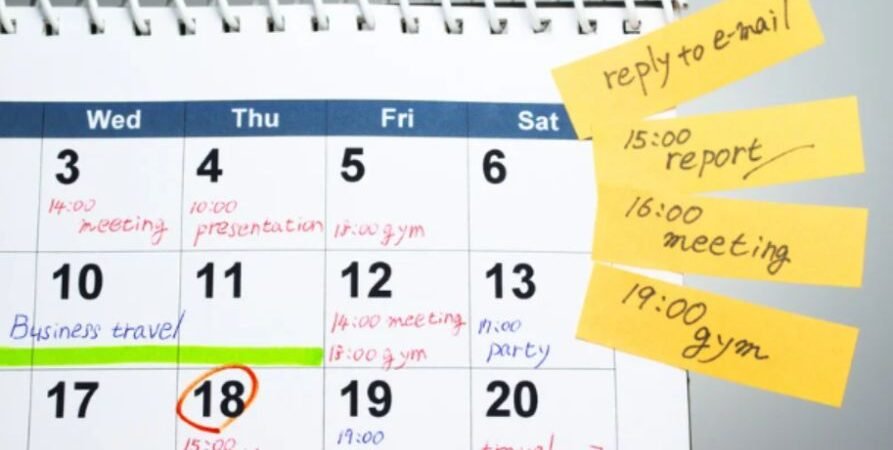
I used to plan self-care for the same time every morning. Then an early shift, a late meeting, or a family obligation would erase that hour. By Wednesday, I felt as though I had failed at something that was supposed to help me feel better. A self care routine for inconsistent schedules works differently: it follows the moments you can count on, even when you cannot count on the clock.
You do not need a perfect morning. Start with three small actions tied to waking up, taking a break, and getting ready to sleep. Keep a shorter version for demanding days. That gives you a routine you can actually return to.
Why Fixed-Time Self-Care Falls Apart
A 7 a.m. walk sounds reasonable until you work an overnight hospital shift, open a store at dawn, drive for a delivery service, or care for a child whose needs change daily. Even a regular office job can become unpredictable during a busy week.
The problem is often the design of the routine. If every step depends on a certain hour, one schedule change can disrupt the entire plan. It helps to separate the action from its usual time. “Walk at 6 p.m.” can become “move for a few minutes after my first substantial break.” The action stays available when the day moves around.
Self-care also includes basic needs. A pleasant activity may help you unwind, but it cannot replace food, rest, or time to recover after a long shift. Choose what supports you most on the day you are having.
Build Your Routine Around Three Daily Anchors

An anchor is an event that happens in most versions of your day. You may wake at 5 a.m. on Monday and noon on Thursday, but you still wake up. You still have a first break or transition between responsibilities. You still prepare to sleep.
After You Wake: Check Your Needs
Before opening messages, ask yourself: How much energy do I have? What do I need first? A glass of water, a meal, medication taken as prescribed, or a few quiet minutes may matter more than an ambitious workout.
Choose one realistic action. If you have time, stretch or step outside. If you are rushing, eat something you prepared the night before. The point is to respond to your actual needs rather than follow a routine written for an easier day.
At Your First Break: Reset Briefly
Your first break might happen between customers, after a school drop-off, or before your next freelance assignment. Use part of it to eat, move, breathe, or sit without a screen. Even a short pause can give you a chance to notice whether you are hungry, tense, or exhausted.
Using this pause intentionally is one simple way to practice how to take a mental break during work without needing a long break from your responsibilities.
Keep the action portable. A packed snack, refillable water bottle, or comfortable walking shoes may make this step easier when you are away from home. If your break disappears, use the next available transition. You have moved the routine, not lost it.
Before Sleep: Protect a Wind-Down
Bedtime may change, especially with rotating shifts. A repeatable sequence can still signal that you are preparing to rest: finish essential tasks, dim the room, silence avoidable notifications, and do one calming activity.
Choosing a calming activity instead of automatically reaching for your phone can also help you unwind after work without scrolling when your schedule has been especially demanding.
Preparing a few essentials before bed can also support an evening routine for a calmer morning by making the next day easier to start.
If you sleep during daylight, consider curtains or an eye mask and ask others in your household to respect your sleep window. After a night shift, protect enough time for rest before filling the day with errands. When sleep problems persist or make it hard to function safely, speak with a healthcare professional.
Make Two Versions for Different Days

Your full routine could include a meal you sit down to enjoy, a longer walk, a conversation with a friend, and time to unwind. Your minimum version should be possible on a crowded day: drink water, eat something substantial, pause for a minute, and prepare for sleep.
Write both versions in plain language. For example: “After I wake, I eat breakfast and take a walk when I can. On a hard day, I eat and step outside briefly.” This gives you a useful choice without turning self-care into another demanding checklist.
A self care routine for inconsistent schedules also needs room for recovery. Following a long shift, rest may serve you better than exercise. On a day off, connection or a favorite activity may feel more restorative. Let the routine guide your decisions without requiring every day to look alike.
Plan for the Week You Actually Have
When you receive a new work schedule, scan it for difficult stretches. Notice early starts, consecutive late shifts, long commutes, and family commitments. Decide where you can prepare food, protect sleep, and leave a little space between obligations.
If your hours change at the last minute, focus on the next caring action rather than rebuilding the whole week. Missed your walk? Take a short break later if you can. Missed a planned meal? Eat when you have the opportunity. One disrupted step does not cancel the rest.
Frequently Asked Questions
1. What is a realistic self care routine for inconsistent schedules?
It is a small set of actions tied to daily events instead of fixed hours. Start with care after waking, during an available break, and before sleep. Give each action a shorter version for busy days.
2. How can I practice self-care when my shifts change every week?
Review your shifts when they arrive, prepare for the hardest days, and keep your routine flexible. Pay particular attention to sleep opportunities and meals when moving between early, late, and overnight work.
3. What should I do after missing several days?
Resume with one useful action today. You do not need to catch up on every missed walk, journal entry, or quiet moment. Adjust any step that repeatedly proves too difficult for your schedule.
A Routine You Can Return To
I no longer measure self-care by whether I completed the same checklist at the same hour. I look for a few chances to care for myself within the day I actually have. When plans change, I can shorten a step, move it, or begin again at the next anchor. That flexibility is what makes the routine last.