
I used to think a peaceful home required a spare room and a shopping list. Meanwhile, the chair where I actually sat was surrounded by paperwork, harsh light, and things I had been meaning to put away. Changing that one spot helped me more than imagining a complete room makeover.
If you are wondering how to create a calming space at home, begin with a place you can use today. A bedroom corner, a seat beside a window, or even a cleared end of the couch can work. The goal is to make it easier to pause, get comfortable, and spend a few minutes doing something restorative.
Choose One Spot and Give It a Purpose
Walk through your home and notice where you naturally want to sit. Look for a place with enough room to settle comfortably and, if possible, a little distance from chores or work. You do not need complete silence. A spot that is convenient enough to use regularly is more valuable than an ideal corner you rarely visit.
Decide what you want to do there: read, breathe quietly, journal, stretch, or drink tea. That purpose will guide what belongs nearby. A reading chair needs a lamp; a stretching space needs clear floor. If several people share your home, a folding screen, rug, or change in furniture placement can help mark the area without taking over the room.
Remove the Things That Keep Calling for Your Attention

Start with the surface and the area directly in your view. Move unpaid bills, work equipment, laundry, and unfinished projects somewhere they can be handled later. You do not have to organize the entire house before enjoying one clear place.
Give the items you remove a destination. A tray for mail or a basket for stray belongings keeps your calming area from becoming a temporary pile that returns tomorrow. Keep a few objects that you genuinely like, such as a photograph or favorite book. An empty-looking space is not a requirement for feeling at ease.
Set a Boundary With Screens
If your phone brings work messages or constant alerts into the corner, silence notifications during your break and place it out of reach. You can still use it intentionally for music, a guided practice, or exploring self care ideas for a difficult weekend. The useful distinction is whether you chose the activity or a notification chose it for you.
Make the Lighting Work at Different Times of Day
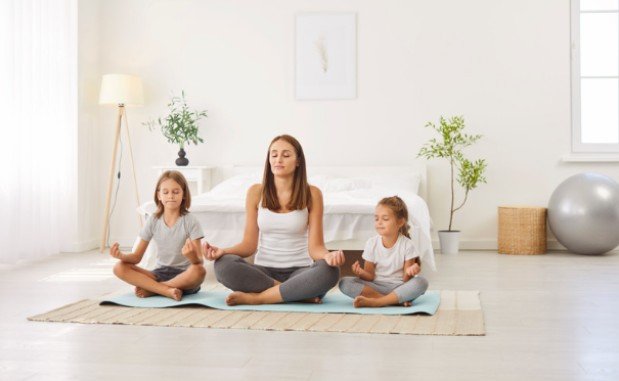
Natural light may make a daytime corner more inviting. Open a curtain or position your seat where you can enjoy the window without glare. In the evening, try a table or floor lamp instead of relying only on a bright overhead fixture.
Choose lighting that lets you see comfortably. A very dim room may look soothing in a photograph but become frustrating when you want to read. A shade, adjustable lamp, or dimmable bulb gives you more control than a single fixed light. If you use candles, keep them away from fabric and never leave them burning unattended; a battery-powered candle can provide a similar glow.
Build Comfort Around Your Body
Sit in the space for five minutes before buying anything. Are your feet supported? Does the seat make your back ache? Are you too warm or too cold? Answer those questions before choosing decorative pieces.
A pillow, folded blanket, footrest, or washable throw may solve a specific problem. If sitting on the floor is uncomfortable, use a chair. If you prefer movement, leave space to stand and stretch. Your corner should suit the way you actually rest, rather than an image of what relaxation is supposed to look like.
Choose Sensory Details You Enjoy
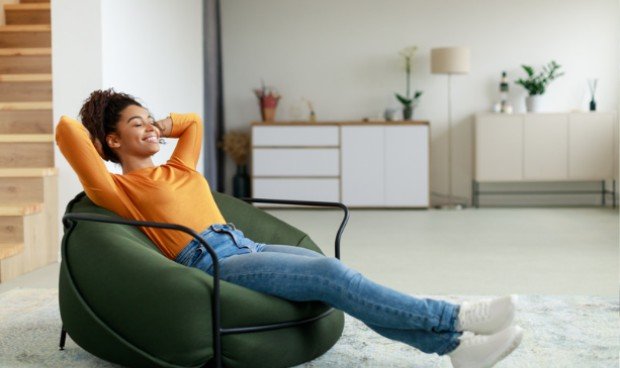
Color, texture, scent, and sound can change how a space feels, but preferences vary. You might enjoy muted colors and soft fabric, or you might find a cheerful color and a smooth wooden surface more comforting. You can experiment with a pillowcase or throw before repainting a room.
Plants can bring a touch of nature indoors, provided you want to care for them and have a suitable spot. A view of a tree, a photograph of a familiar landscape, or a few branches in a vase are other options. Consider pets and children when choosing plants or breakable objects.
Sound matters too. A rug or curtain may soften noise; headphones may help when you cannot control a busy household. Silence, music, and nature sounds are all reasonable choices. Scent is optional. If fragrances bother you or someone you live with, fresh air may be the better fit.
Make the Space Easy to Return To
A calming corner works best when you can sit down without preparing it first. Keep what you use often within reach, perhaps a book and blanket in a nearby basket. Afterward, spend a minute returning the space to its ready state.
Pair your time there with an existing moment, such as coming home or finishing dinner. Even five minutes can make the corner part of your routine. If your needs change, change the setup. A space for quiet reading today may become a place for morning stretching later.
Frequently Asked Questions
1. How can I make a calming space without a spare room?
Use one seat or a small section of an existing room. Clear its immediate surroundings, add comfortable lighting, and keep supplies for one relaxing activity nearby. A dedicated room is unnecessary.
2. How much should I spend on a calming corner?
Start with what you own. Moving a chair, clearing a surface, and relocating a lamp may be enough. Purchase something only when it solves a comfort or practical problem you have noticed.
3. How do I create a peaceful spot in a shared home?
Choose a time and place others can respect, then explain when you would like a few uninterrupted minutes. Headphones or a room divider can help, but a simple agreement with housemates may make the biggest difference.
4. How long does it take to learn how to create a calming space at home?
You can set up a useful first version in an afternoon. Spend a week using it, then adjust anything that feels awkward. The best arrangement often becomes clear through use.
A Space You Can Actually Use
I would start with one comfortable seat, a clear view, and light I can adjust. Then I would spend time there before adding anything else. That small test reveals more than a long list of decor ideas. Learning how to create a calming space at home means noticing what helps you settle and making room for it in the life you already have.