
A goal can look exciting from a distance and exhausting once I am actually living through the middle of it. The promotion is months away. The fitness result takes time. The savings account grows slowly. The degree requires semester after semester of work. When the final reward feels distant, I have found that motivation becomes much harder to maintain.
That is why I focus on how to create motivation from small daily wins instead of waiting for inspiration to show up. A completed action gives me immediate evidence that something is moving. When I can see progress today, tomorrow’s effort feels more manageable.
The real advantage of small victories is not that every tiny task changes my life. It is that repeated daily progress helps me build momentum, confidence, and consistency toward something larger.
Why Do Small Daily Wins Make Me Feel More Motivated?
Progress can be motivating in its own right.
Teresa Amabile and Steven Kramer’s research on the Progress Principle found that progress in meaningful work can have a powerful positive effect on emotions, perceptions, and motivation. Even relatively small steps forward can matter when the work itself feels meaningful.
I think of this as a feedback loop.
I take action, notice progress, feel a sense of accomplishment, and become more willing to take another action.
I also avoid oversimplifying this as “complete one task and get a dopamine hit.” The brain’s reward system is more complicated than that. What matters practically is that completing a meaningful task can create a sense of reward and control, which makes continuing feel easier.
How Can I Use the Rule of Three Every Morning?
One of the simplest systems I use is choosing three realistic wins at the beginning of the day.
These are not huge goals. They are specific actions that I can realistically complete before the day ends.
If I am working toward better health, one win might be walking for 20 minutes. If I am managing money, another might be reviewing one spending category. If I am working on a major project, I might aim to finish one section rather than “work on the project.”
Three goals give me direction without making my day feel overloaded.
This approach can be especially useful during a busy US workweek when meetings, commuting, family responsibilities, college classes, or unexpected tasks can quickly consume the day.
How Does the Two-Minute Rule Help Me Start?

Sometimes my biggest problem is not doing the work. It is starting it.
James Clear’s Two-Minute Rule recommends scaling a new habit down so the starting version takes less than two minutes.
If I want to exercise, I can begin by putting on my workout clothes. If I need to study, I can open the textbook and review one page. If I need to write, I can open the document and type one sentence.
The goal is not necessarily to stop after two minutes.
The purpose is to lower the mental barrier between thinking about the task and actually beginning it.
When motivation is low, I have found that a tiny first step often works better than trying to convince myself to suddenly feel enthusiastic.
How Can I Turn a Big Goal Into a Minimum Daily Win?
Large goals become easier when I define the smallest version that still counts as progress.
I call this my minimum daily win.
If my normal workout takes 45 minutes, my minimum might be ten minutes of movement. If I normally study for an hour, my fallback might be 15 focused minutes. If I am writing a long project, I might set a minimum of 200 words.
This does not mean lowering my standards permanently.
It gives me a way to protect consistency on difficult days.
On a productive day, I can do much more. On a stressful day, I still maintain contact with the goal instead of abandoning the routine completely.
Why Should I Track My Small Wins?
Progress is surprisingly easy to forget.
I can finish several useful tasks during the day and still go to bed thinking about everything that remains unfinished.
That is why progress tracking matters.
At the end of the day, I like to write down three things that moved forward. Maybe I completed a difficult email, exercised after work, studied for 20 minutes, avoided an unnecessary purchase, or finished one section of a project.
A notebook, planner, calendar, or digital app can all work.
The important part is creating visible evidence of incremental progress.
When I look back after several weeks, I can see that long-term growth did not come from one extraordinary day. It came from many ordinary days in which I kept moving.
How Should I Celebrate Small Wins Without Overdoing Rewards?
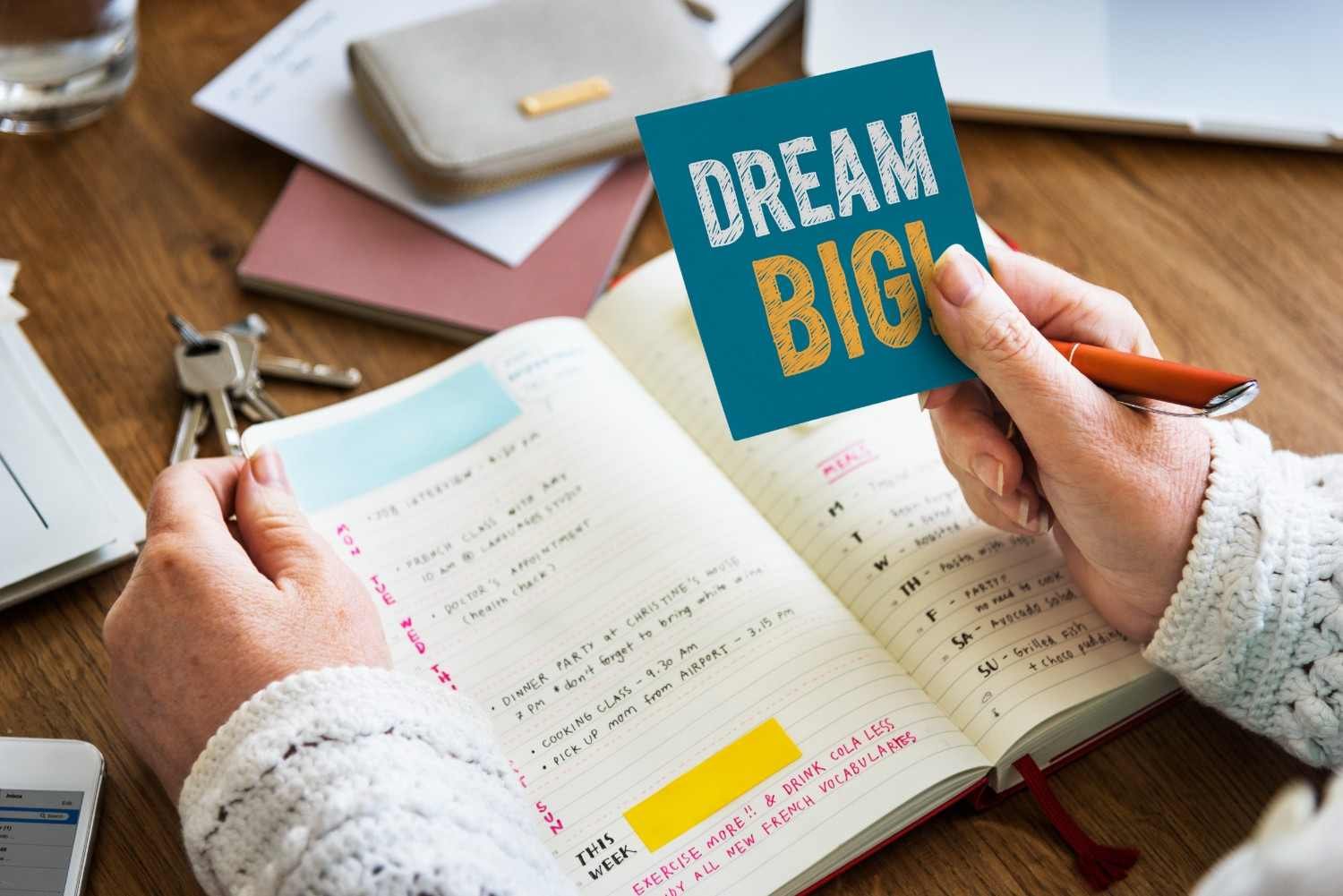
Celebrating small wins does not require a major reward.
Laura Nguyen’s discussion of small wins emphasizes deliberately noticing everyday progress rather than brushing it aside. I find that useful because achievements can lose their emotional value when I immediately jump to the next unfinished task. This kind of recognition can also help me maintain motivation during long projects, especially when the final result still feels distant.
Sometimes I simply check the task off and acknowledge that I followed through.
Other times I take a short break, enjoy a favorite snack, listen to music, or give myself a few minutes to relax.
The purpose is not to make myself dependent on rewards. It is to recognize that my effort created real movement.
That small moment of recognition can make consistency feel worthwhile.
What Should I Do When I Miss a Day?
Missing one day does not erase the progress I already made.
The mistake I try to avoid is turning one setback into an excuse to quit.
Instead, I return through the smallest useful action possible.
If I miss a workout, I might walk for ten minutes the next day. If I fall behind on studying, I review one chapter instead of planning an unrealistic all-night session. If I stop tracking expenses, I restart with today instead of trying to reconstruct every purchase immediately.
A quick return matters more than a perfect streak.
How Do Small Daily Wins Build Long-Term Momentum?

One small action rarely changes the outcome by itself.
One workout does not create fitness. One savings deposit does not create financial security. One study session does not earn a degree.
But repeated wins create evidence that I can follow through.
That evidence helps build confidence. Confidence makes the next action easier. Over time, consistent progress can become more reliable than waiting for motivation.
This is one of the most useful lessons I have learned about creating motivation from small daily wins.
The cycle is simple: choose something meaningful, make it easy to start, complete it, track it, recognize it, and repeat.
Frequently Asked Questions (FAQs)
1. What Counts as a Small Daily Win?
A small daily win is a completed action that moves a meaningful goal forward. It might be a short workout, 20 minutes of studying, one section of a work project, a small savings transfer, or preparing a healthier meal.
2. Can Small Wins Help When I Have No Motivation?
Yes. Small actions reduce the pressure of starting and create visible progress. That progress can make another action feel easier even when enthusiasm is low.
3. How Many Small Wins Should I Aim for Each Day?
Three is a practical starting point because it creates focus without overwhelming the day. The right number depends on your schedule, energy, and responsibilities.
4. Should I Reward Myself for Every Small Win?
Not necessarily. A small reward can help, but simple recognition can be enough. Writing down the accomplishment or acknowledging that you followed through can make progress more visible.
5. What Is the Difference Between a Small Win and an Easy Task?
An easy task is simply easy to complete. A small win connects directly to a larger goal. Even if the action is modest, it should create meaningful forward progress.
Final Thoughts
I used to think motivation had to come first.
Now I see it differently.
Action can create progress, and progress can create motivation.
That is why understanding how to create meaningful motivation from small daily wins can be so useful when a long-term goal feels distant. I do not need to accomplish everything today. I need enough evidence to know I am still moving.
I choose three realistic wins, use a tiny starting action when resistance appears, protect consistency with a minimum goal, track what I complete, and acknowledge the effort.
Big goals give me direction.
Small wins give me momentum.