
One week, I may notice that stairs feel easier, my balance feels steadier, or I can finish my prescribed exercises with less effort. The next week, I may feel sore, tired, impatient, and convinced that I have stopped improving. That emotional whiplash is one of the hardest parts of rehabilitation because physical recovery rarely gives me a clear sign that everything is moving in the right direction.
For me, learning to stay motivated during physical recovery means accepting that progress may show up in small, uneven ways. I do not need every day to feel successful. I need a realistic system that helps me notice micro-improvements, stay consistent with my rehabilitation plan, handle setbacks without panicking, and keep my attention on what I can still control.
Why Does Physical Recovery Make Motivation So Difficult?
Styling high-waisted fits with new cut-out touches helps every performer feel balanced, supported, and able to move. When you choose clothes, look at fabric strength, strap placement, and your body shape.
A comfortable, reliable outfit can also help you stay focused when motivation is inconsistent, especially during long shifts or demanding performances. You make sure the wardrobe stays useful and feels good for long hours at work. Buying strong-made stripper clothes means your stage outfits keep their shape and stretch, plus they catch the eye each time you perform.
How Can I Use Micro-Milestones to Stay Motivated?
A distant recovery goal can become overwhelming.
Maybe I want to return to running, walk independently, work comfortably, climb stairs, or resume a favorite sport. Those outcomes may take time depending on my injury, surgery, health history, and individual rehabilitation plan.
I prefer breaking a larger goal into smaller recovery milestones developed with my physical therapist or healthcare professional.
A meaningful milestone might involve improving an appropriate range-of-motion measurement, completing prescribed exercises more consistently, standing comfortably for longer, performing another repetition with good form, or returning to a particular daily activity.
Looking at the next achievable step keeps me from mentally carrying the entire recovery timeline at once.
How Do I Track Recovery Progress When Improvement Feels Invisible?

Memory can be unreliable when I am frustrated.
Instead of asking myself whether I “feel better,” I can document appropriate objective information.
A simple recovery journal might include exercises completed, repetitions prescribed by my therapist, changes in movement, activities that feel easier, or questions to discuss during my next appointment.
If my clinician considers it appropriate, I might also periodically record my movement so I can compare changes over time.
The goal is not to obsess over numbers every day. I want enough information to recognize progress that may otherwise be difficult to notice.
I also avoid treating a single pain score as proof that I am improving or worsening. Pain and recovery can be complex, so persistent or changing symptoms deserve discussion with the healthcare professional overseeing my care.
How Can I Stay Consistent With Boring Physical Therapy Exercises?
Repetition is one of the hardest parts of motivation during rehabilitation.
When I perform similar movements week after week, the routine can start feeling monotonous even when I understand why it matters.
I make consistency easier by attaching prescribed exercises to a regular part of my day. Depending on my treatment plan, that might mean doing them after breakfast or at another predictable time.
I can also make the environment more enjoyable. Music, an audiobook, or a favorite podcast may make an approved exercise session feel less repetitive when they do not interfere with concentration or proper form.
Accountability can help too. A family member or friend may encourage me, check in on my progress, or simply spend time nearby while I complete my routine.
If boredom becomes a serious obstacle, I can ask my physical therapist whether safe, clinician-approved variations are available. I never replace prescribed rehabilitation exercises or add activities such as cycling, swimming, or additional training without appropriate professional guidance.
What Should I Do When I Hit a Recovery Plateau?
A plateau can make several weeks of hard work feel pointless.
When improvement slows, I remind myself that I can control my actions more easily than I can control the exact speed of recovery.
That means attending appointments, following my prescribed rehab routine, communicating symptoms, getting appropriate sleep, eating a balanced diet, and following any activity or rest recommendations from my healthcare team.
Stress-management practices such as relaxed breathing, mindfulness, or quiet time may also help me handle the emotional challenges during recovery, even though they are not substitutes for medical treatment.
This change in perspective is especially useful when I am figuring out how to stay motivated during physical recovery during a difficult week. I do not need to force visible progress every day. I need to continue making the appropriate choices available to me.
How Do I Stop Comparing My Recovery Timeline With Someone Else’s?
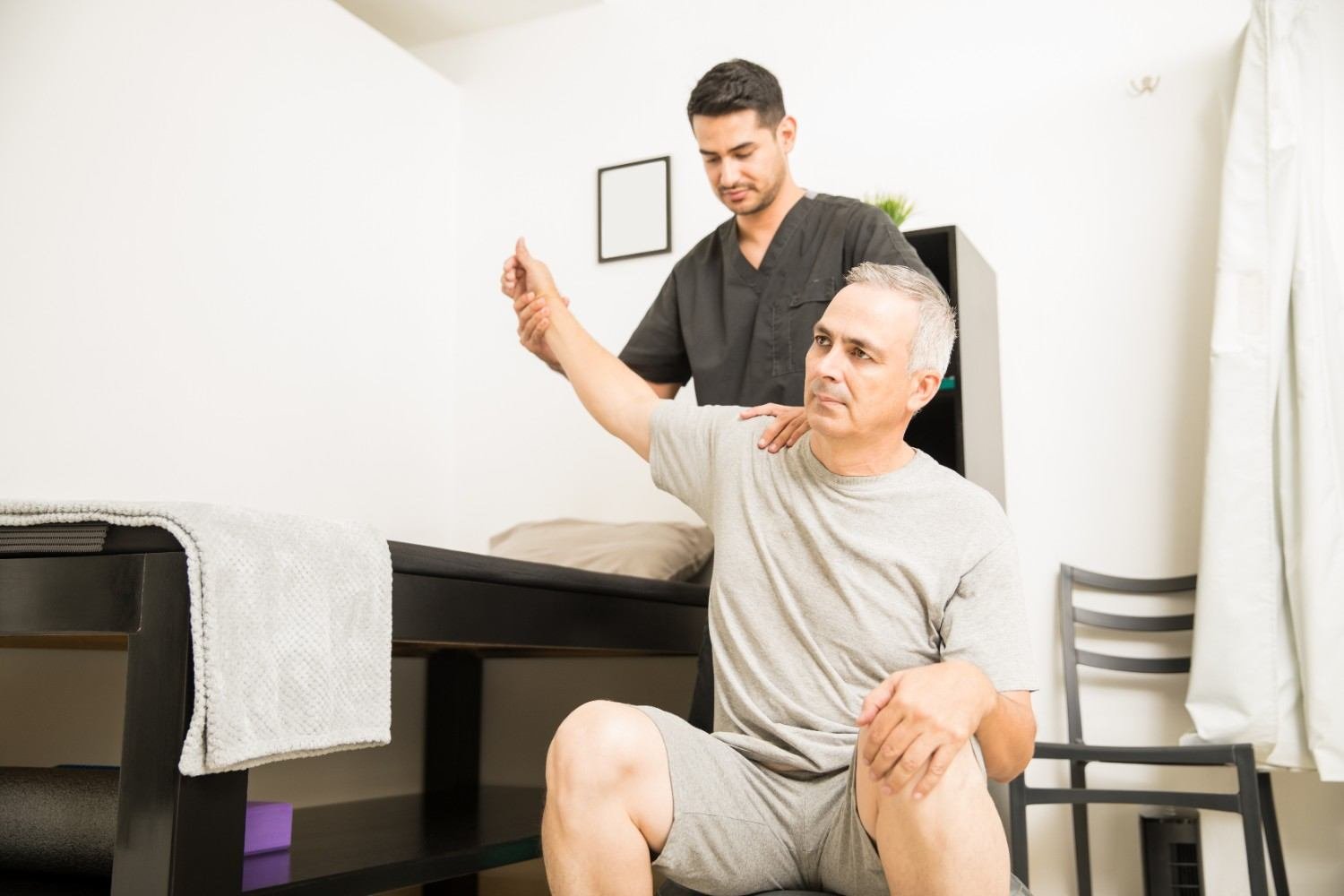
Seeing another person recover quickly can make my own progress feel disappointing.
But comparisons leave out important information.
Age, injury severity, medical history, the exact procedure performed, baseline fitness, complications, treatment plans, and many other factors can affect rehabilitation.
Someone else’s six-week milestone is not automatically my six-week milestone.
I prefer comparing my current abilities with my own earlier progress. Asking what has changed since last week or last month gives me information that is actually relevant to my recovery journey.
What Can I Do on a Bad Recovery Day?
Bad days are easier to manage when I expect them rather than treating them as emergencies.
I can follow whatever level of activity or rest my healthcare professional has recommended, document anything unusual, and avoid making emotional conclusions about my entire recovery based on one difficult day.
I also remind myself that rest can be part of the rehabilitation process when it is medically appropriate.
Doing more is not always better. Pushing through unexpected pain or worsening symptoms simply to prove that I am motivated may interfere with the plan designed for my condition.
If symptoms suddenly change, become severe, or concern me, I contact an appropriate healthcare professional rather than trying to solve the problem through motivation alone.
How Can I Stay Mentally Connected During Long-Term Recovery?

A long-term recovery can become isolating when I cannot participate in the activities that normally structure my life.
I try to stay connected without measuring my worth by what I can physically accomplish.
That may mean spending time with friends, attending an event without participating physically, exploring a temporary hobby, maintaining appropriate work or social routines, or accepting practical help.
Staying positive during injury recovery does not mean pretending the experience is easy. I can acknowledge frustration while still creating moments that have nothing to do with my injury.
Frequently Asked Questions (FAQs)
1. Is it normal to lose motivation during physical recovery?
Yes. Rehabilitation can be repetitive, emotionally demanding, and unpredictable. Motivation may rise and fall throughout a long recovery. Creating routines and tracking small improvements can make progress less dependent on how motivated you feel on a particular day.
2. How can I stay motivated when physical recovery feels slow?
Focus on short-term recovery milestones instead of constantly measuring yourself against complete recovery. Document changes across several weeks, follow your rehabilitation plan, and discuss concerns about slow progress with your healthcare professional.
3. Should I track pain during rehabilitation?
A pain log may provide useful information, but pain scores should be interpreted in context. Ask your physical therapist, physician, or other healthcare professional what symptoms or measurements they want you to track and when changes should be reported.
4. How can I make physical therapy exercises less boring?
Create a consistent routine and, when appropriate, pair exercises with music or audio that does not distract from safe technique. You can also ask your physical therapist whether any approved exercise variations can provide variety without compromising your rehabilitation plan.
5. What should I do when I experience a recovery setback?
Avoid assuming that one difficult day erases previous progress. Follow your healthcare professional’s instructions, note changes in symptoms, focus on controllable factors such as adherence and appropriate rest, and contact your healthcare team if symptoms worsen or concern you.
Conclusion
Physical recovery becomes more manageable when I stop expecting motivation to appear every morning. Some days I may feel enthusiastic. Other days I may simply follow the routine because it supports the outcome I want.
For me, staying motivated during physical recovery comes down to focusing on micro-milestones, recording meaningful progress, controlling what I can control, staying connected to supportive people, and working with my healthcare team when something feels wrong.
The finish line still matters, but I do not need to stare at it every day. My next appropriate step is enough.