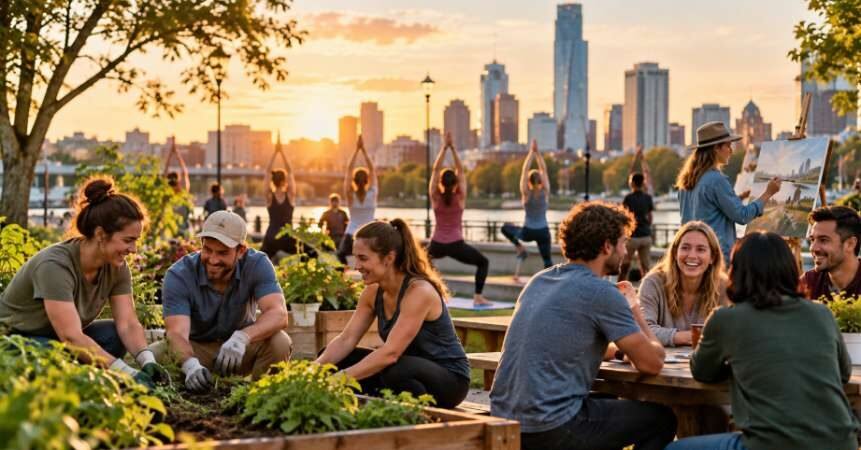
I started noticing how strange it can feel to be surrounded by people online and still feel disconnected from the place where I live. A feed can show endless conversations, photos, and invitations, yet none of that creates the comfort of recognizing someone across a room or having a familiar person ask how your week went.
I realized some of my strongest local connections came from ordinary places where people had a reason to return. A class, volunteer shift, walking group, library event, or neighborhood gathering gave conversations somewhere to begin. Nobody had to manufacture instant friendship. Showing up again did much of the work.
Why Shared Activities Make Belonging Easier
Joining a group feels less awkward when the activity provides a purpose. Instead of wondering what to say, people can talk about the class, game, project, trail, book, or task in front of them. That shared focus lowers the pressure of small talk.
Repeated participation matters even more. A recurring schedule also makes social effort easier because the decision is already made; you simply know where to go, when to arrive, and who may be there again. The first visit may produce only a few introductions. By the fourth or fifth visit, faces become familiar, names start sticking, and brief conversations can become longer ones.
For more ideas on turning shared interests into meaningful connections, explore how shared hobbies help adults make new friends.
The U.S. Surgeon General recommends participating in social and community groups, including fitness, hobby, professional, and service organizations, to support belonging, meaning, and purpose.
Where to Look for Local Connection
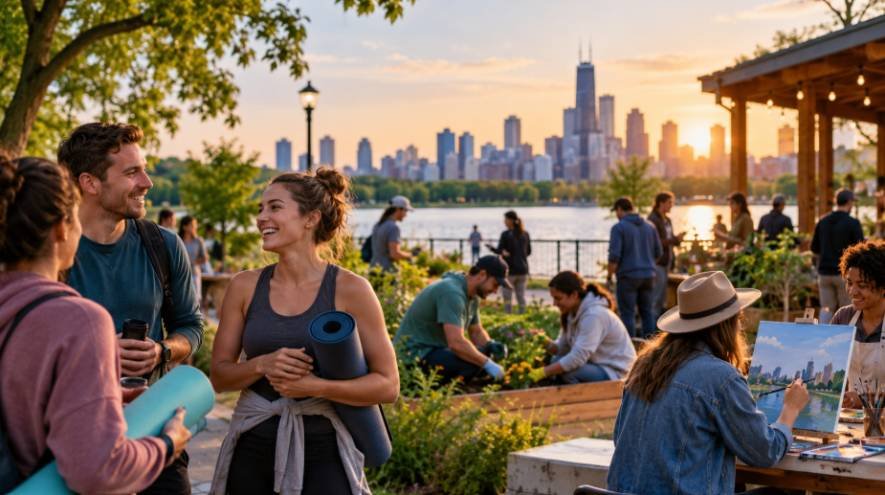
You do not need an exclusive club or expensive membership. Start with places already designed for community participation.
Public libraries can offer book discussions, craft programs, workshops, lectures, and other recurring events. Community centers may offer classes, recreation programs, volunteer opportunities, and neighborhood activities. Parks can host walking groups, fitness sessions, seasonal events, or informal gatherings.
Skill-based spaces are another option. A pottery studio, climbing gym, cooking class, maker space, dance studio, or recreational league puts people together around something they are learning or enjoying. The activity gives everyone an easy opening line, while returning creates opportunities for familiarity.
Choose Something You Would Actually Return To
A common mistake is choosing an activity only because it seems socially useful. If you dislike it, attending repeatedly becomes a chore, and the connection rarely has enough time to develop.
Look for something that gives you a genuine reason to return.
Volunteering can be effective because connection grows alongside contribution. Food banks, animal shelters, neighborhood cleanups, community gardens, and local nonprofits give participants a shared responsibility. You are working beside people toward something concrete.
The CDC recommends joining groups with shared interests, volunteering, getting involved locally, and spending time with others in nature as ways to strengthen social connectedness.
Make the First Few Visits Easier
Walking into an established group alone can be uncomfortable. Give yourself a smaller goal than “make friends.”
Arrive early and introduce yourself to the organizer. Ask how the activity works. Learn one person’s name. Stay for a few minutes afterward instead of immediately leaving. On the next visit, say hello to someone you recognize.
Let Online Tools Lead You Offline
Social media can still help you discover neighborhood events, check schedules, find interest groups, or learn whether a local organization is active.
That shift matters because digital membership can create the appearance of connection without the repeated physical contact that helps relationships become familiar. The CDC encourages people to avoid letting screen time distract from connecting with others in person and suggests sharing ordinary activities, such as exercise or cooking, with others.
For anyone working on ways to create more face-to-face connection, a useful rule is simple: use the internet to find the room, then spend your attention inside it.
Pay Attention to Whether a Group Feels Welcoming
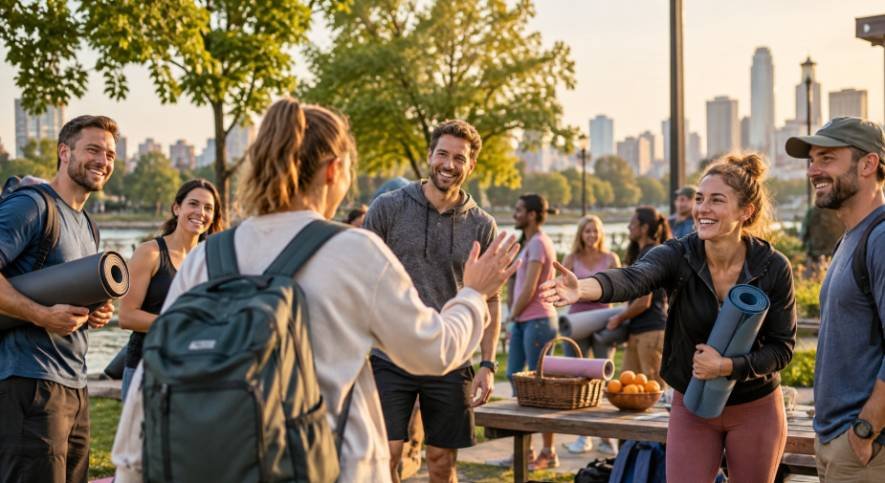
Look for signs of openness. Do people greet newcomers? Does an organizer explain how things work? Are conversations shared rather than dominated by the same few people? Can beginners participate without feeling embarrassed?
Accessibility matters, too. Cost, transportation, physical access, timing, and location can determine whether participation is realistic. An opportunity only helps if people can reach it and return consistently.
AARP research updated in 2026 notes that older adults value convenient, accessible places that support social activity, while its recent research also documents declines in volunteering and community-group membership compared with 2010.
Give Relationships Time to Grow
Stop measuring success by how many new people you meet.
That is where how to build a supportive circle of friends becomes less about finding perfect people and more about becoming a dependable participant. Show up, contribute, notice others, and let familiarity do its quiet work.
Frequently Asked Questions
1. What local activities are good for meeting people?
Recurring activities such as volunteer shifts, recreational sports, classes, book clubs, walking groups, and community workshops work well because people share a purpose and have repeated opportunities to interact.
2. How often should I attend a local group?
There is no fixed number, but consistency gives relationships more chances to develop naturally.
3. What if I feel awkward going alone?
Start with a small goal. Introduce yourself to the organizer, participate fully, and speak to one person. You do not need to leave with a new friend after the first visit.
4. Can online groups still help?
Yes. Online spaces can help you discover events, understand expectations, and find activities that match your interests. Use them as a bridge to in-person participation.
When Familiar Faces Start Feeling Like Community
Belonging often looks ordinary from the outside. It can be the person who saves you a seat at trivia, the volunteer who knows which task you prefer, the neighbor who waves when you arrive at the park, or the classmate who asks how your project turned out. None of those moments seems significant alone. Together, they create recognition, trust, and a sense that your presence matters. Community grows when participation becomes reciprocal: you are not only receiving connection, but also becoming someone other people can rely on.
You do not need a huge network to feel rooted. Sometimes a few familiar faces, one meaningful routine, and a place where people notice when you show up are enough to make somewhere feel more like home.