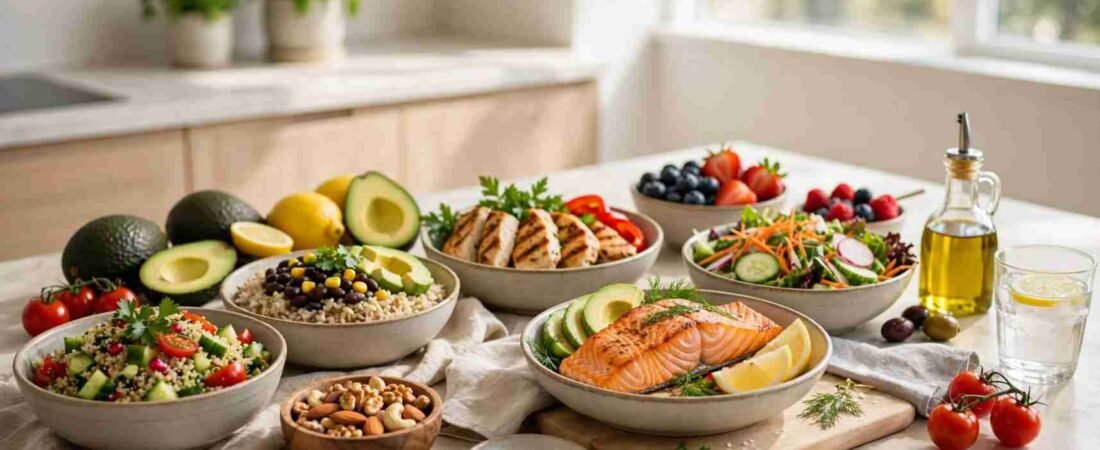
Healthy eating does not require a refrigerator full of expensive “superfoods.” One of the biggest improvements most adults can make is surprisingly ordinary: eat more minimally processed foods while making vegetables, fruit, quality protein, whole grains, and healthy fats easier to reach.
That principle sits at the heart of good eating habits for adults. The CDC notes that healthier eating patterns are associated with a lower risk of heart disease, type 2 diabetes, obesity, and other serious health problems.
The challenge is rarely knowing that vegetables are healthy. It is creating an eating pattern that still works on a late workday, during a road trip, or when dinner needs to happen in 15 minutes.
What Does Healthy Eating Actually Look Like?
A healthy diet is better understood as a pattern than a collection of perfect meals.
The CDC’s current nutrition guidance emphasizes vegetables, fruits, protein foods, dairy without added sugars, healthy fats, and whole grains while limiting highly processed foods, excess sodium, refined carbohydrates, and added sugars.
That leaves plenty of room for personal preferences, cultural foods, budget limitations, vegetarian diets, restaurant meals, and occasional desserts.
Instead of asking whether one food is “good” or “bad,” it is more useful to ask what your usual pattern looks like across several days.
Build Meals Around a Simple Plate Formula
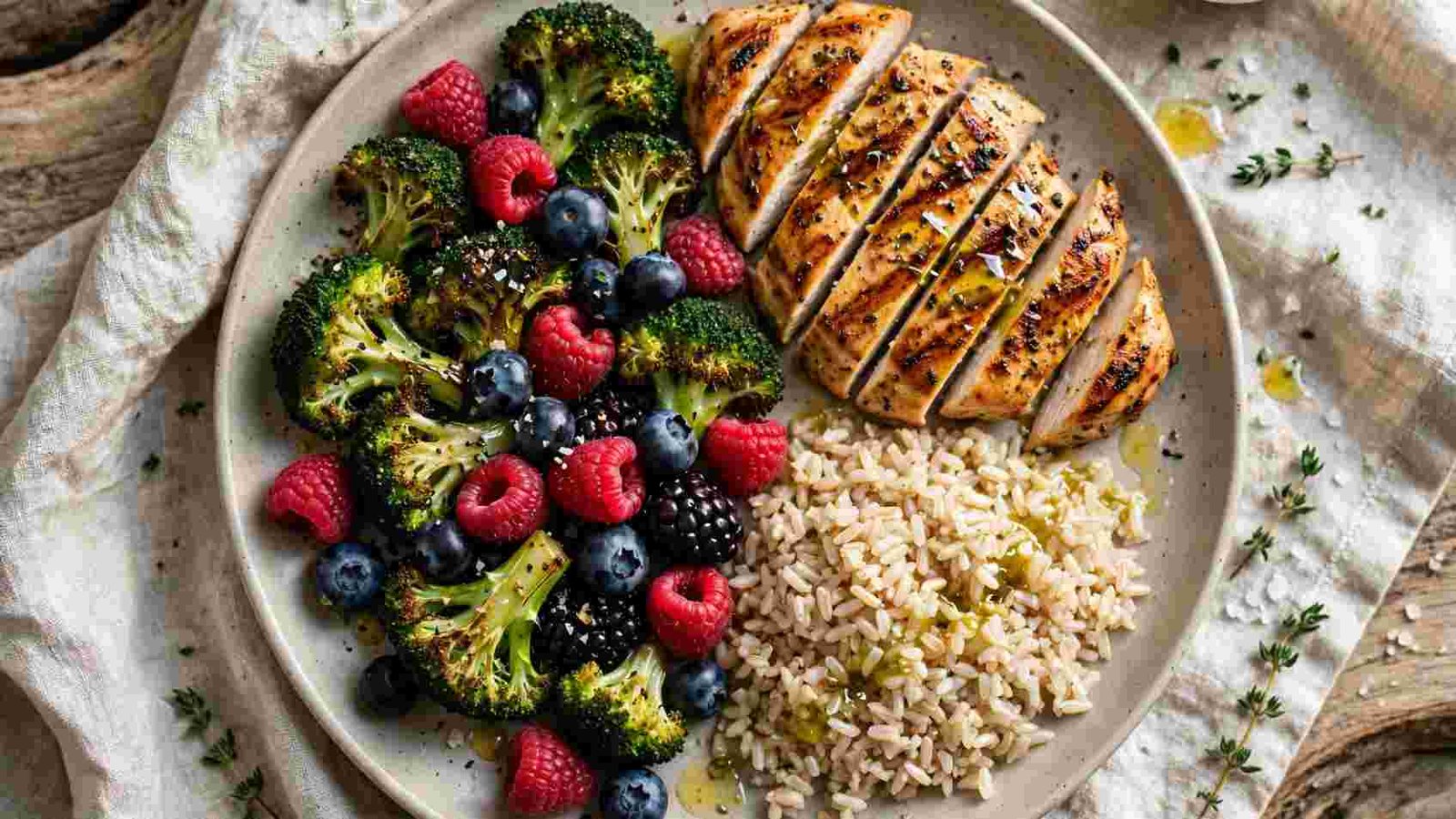
For most adults, visual proportions are easier to use than counting every calorie or gram.
Harvard’s Healthy Eating Plate suggests making roughly half of a meal vegetables and fruits, about one-quarter whole grains, and one-quarter healthy protein. It also emphasizes plant oils and water rather than sugary beverages.
Think grilled chicken, brown rice, roasted broccoli, and fruit. Or try black beans, corn tortillas, peppers, avocado, and salsa. Breakfast might be oatmeal with berries, walnuts, and plain yogurt.
The foods can change dramatically while the structure stays useful.
| Meal component | Practical target | Easy examples |
| Vegetables and fruit | About half the meal | Spinach, berries, carrots, peppers, apples |
| Protein | About one-quarter | Fish, chicken, eggs, tofu, beans, lentils |
| Whole grains or other quality carbohydrates | About one-quarter | Oats, brown rice, quinoa, whole-wheat bread |
| Healthy fats | Small amounts as needed | Olive oil, nuts, seeds, avocado |
| Beverage | Usually water | Water, unsweetened tea, plain coffee |
These proportions are guides rather than prescriptions. Energy and nutrient needs differ according to age, body size, activity, pregnancy, medical conditions, and other factors.
Make Fiber a Daily Priority
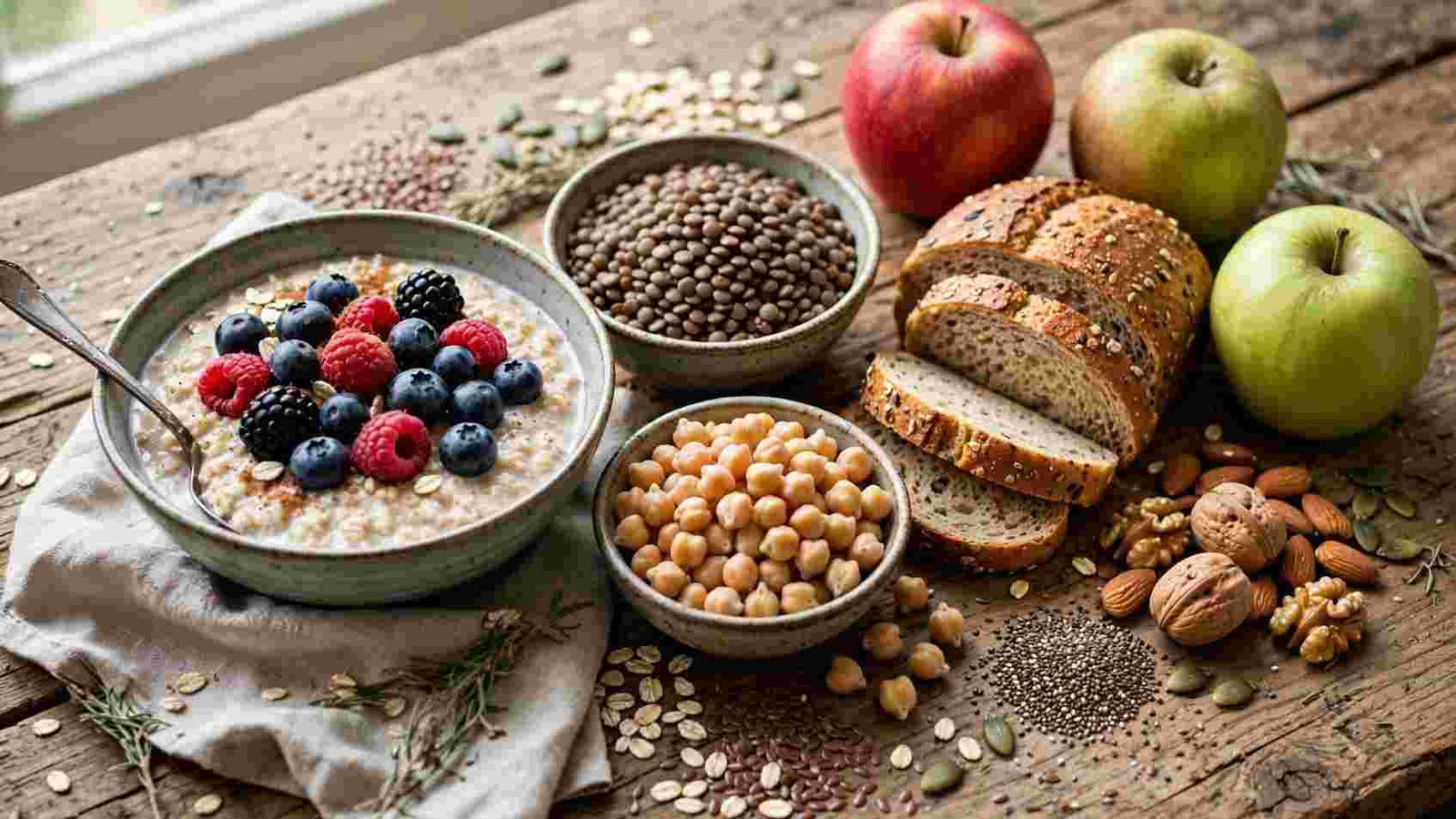
Fiber deserves more attention than it usually gets.
The CDC explains that dietary fiber supports digestive health, helps people feel full longer, and can contribute to healthier blood sugar and cholesterol levels. Good sources include vegetables, fruits, legumes, whole grains, nuts, and seeds.
That makes several simple substitutions worthwhile.
Replace some white bread with whole-grain bread. Add lentils to soup. Keep berries or apples available for snacks. Mix beans into tacos and salads. Choose oatmeal occasionally instead of heavily sweetened breakfast pastries.
You do not need to transform your diet overnight. Increasing fiber gradually can also be more comfortable for people who currently eat very little of it.
Rotate Your Protein Sources Instead of Eating the Same Ones
Protein matters for muscle maintenance, recovery, immune function, and many other processes, but variety matters too.
USDA guidance includes seafood, poultry, eggs, lean meats, beans, peas, lentils, soy foods, nuts, and seeds among useful protein choices.
Adults often benefit from looking beyond meat as the automatic centerpiece of every meal.
A bean chili, lentil curry, tofu stir-fry, salmon bowl, egg-and-vegetable breakfast, or chicken salad can all fit into a balanced eating pattern.
The National Institute on Aging also highlights adequate protein as especially important as people grow older because maintaining muscle becomes increasingly important with age.
Stop Treating Fat as the Enemy
“Low fat” is not automatically synonymous with healthy.
The type of fat matters considerably. The American Heart Association recommends choosing unsaturated fats, including those found in non-tropical liquid plant oils, instead of relying heavily on saturated-fat sources such as butter and fatty meats.
Olive oil, nuts, seeds, avocado, and certain fish can therefore be part of healthy meals rather than foods that must automatically be avoided.
Portion still matters because fats are energy-dense, but eliminating them entirely is unnecessary for most people.
Drink More of Your Calories? Usually, Do the Opposite
Liquid calories can accumulate quickly because beverages may deliver significant sugar without producing the same fullness as a meal.
Water should therefore be the everyday default for most adults.
Unsweetened tea, sparkling water, and plain coffee can also provide variety. Sweetened coffee drinks, sodas, sports drinks, and other sugary beverages are better treated as occasional choices rather than automatic daily hydration.
This is one of the easiest good eating habits for adults to test because it requires no complicated meal plan. Replace one regular sugary beverage with water for a week and see whether the change feels sustainable.
Use Nutrition Labels as a Comparison Tool
A Nutrition Facts panel is most useful when comparing similar products.
If you are choosing between two soups, breads, sauces, cereals, or frozen meals, look at serving size first. Then compare sodium, added sugars, saturated fat, fiber, and protein according to what matters for that food.
The goal is not always finding the product with the lowest possible number. It is finding the better everyday option without turning grocery shopping into a mathematics exam.
This strategy is particularly helpful because sodium and added sugar can appear in foods that do not taste especially salty or sweet.
Design Your Kitchen So Better Choices Require Less Effort
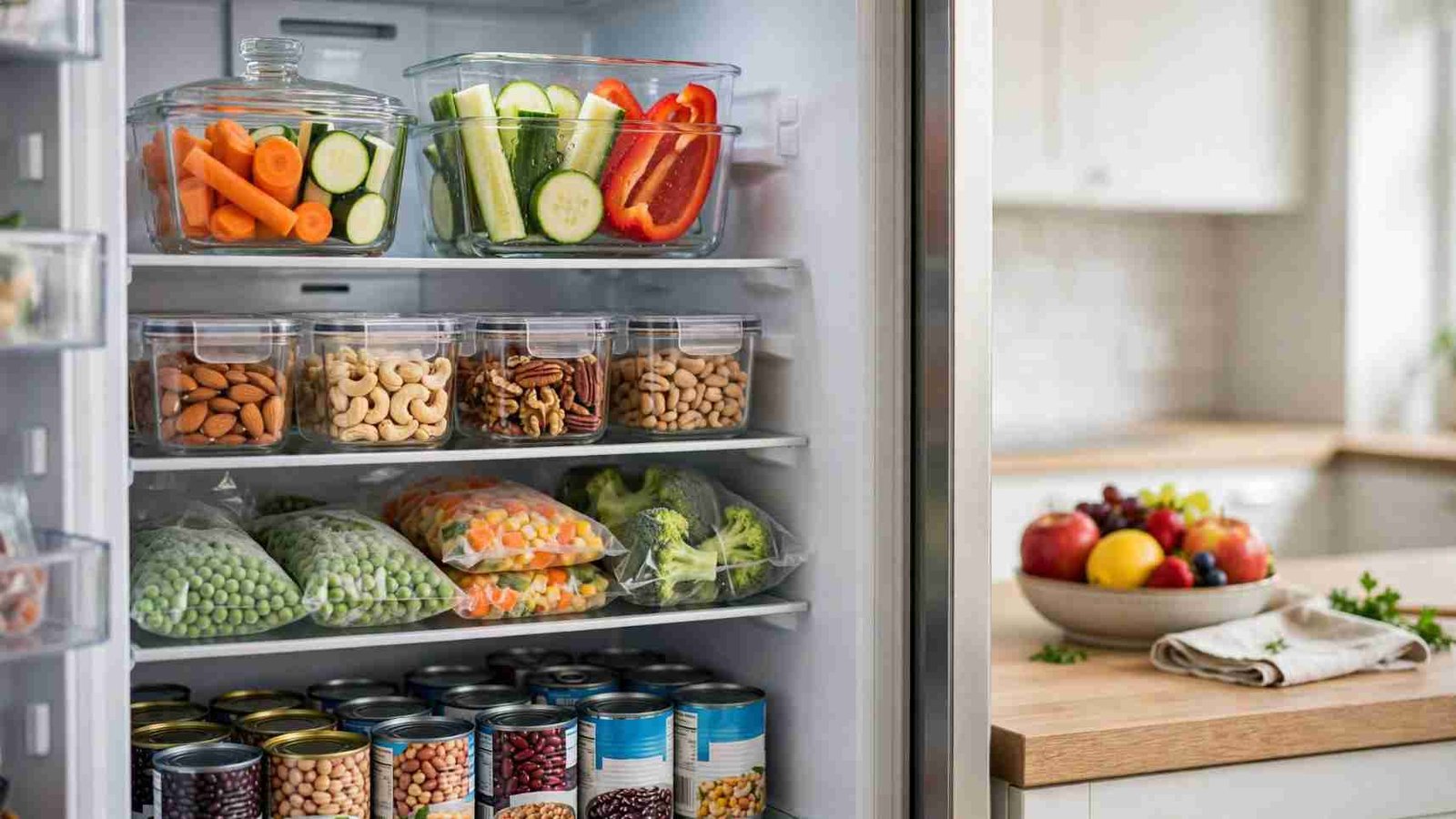
Nutrition is partly a matter of environment.
Fruit sitting visibly on the counter is easier to remember than fruit hidden behind leftovers. Washed vegetables at eye level in the refrigerator are more likely to become dinner. Nuts portioned into containers are easier to grab than snacks stored in the back of a cabinet.
Convenience foods are not automatically unhealthy either. Frozen vegetables, canned beans, canned fish, pre-cut produce, microwaveable whole grains, and unsweetened yogurt can shorten preparation considerably.
The same idea can extend into the evening, when fatigue often makes healthy choices harder to maintain. Establishing a few healthy habits to start before bed such as preparing breakfast ingredients, filling a water bottle, or deciding on tomorrow’s meals can reduce last-minute decisions and make nutritious choices easier the following day.
If unpredictable days regularly disrupt eating, creating a flexible self-care routine for inconsistent schedules can also make meals less dependent on having a perfectly organized day.
Try the 3-Day Eating Habit Test
Before adopting another restrictive diet, examine what you already do.
For three ordinary days, notice four things: how many meals contain produce, whether each meal includes a meaningful protein source, what you normally drink, and how often highly processed snacks replace actual meals.
Do not change anything during the test.
After three days, choose only one weak point.
Maybe breakfast lacks protein. Maybe vegetables disappear at dinner. Maybe afternoon hunger repeatedly leads to vending-machine snacks.
Fixing one repeating problem is often more effective than writing 20 new food rules on Monday and abandoning them by Friday.
Once you have identified one eating habit worth changing, connect it to a behavior you already perform consistently.
Learning how to use habit stacking for healthy habits can make the new behavior easier to remember by attaching it to an established routine, such as adding fruit to breakfast after making coffee or drinking water immediately after lunch.
Healthy Eating Should Not Become Perfectionism
No single meal determines the quality of your diet.
Pizza at a birthday party does not erase a week of balanced meals, just as one salad cannot compensate for a consistently poor dietary pattern.
Adults managing diabetes, kidney disease, food allergies, gastrointestinal disorders, pregnancy, eating disorders, or other medical conditions may also need individualized guidance rather than generic nutrition advice.
Nutrition recommendations should support health, not create anxiety around every bite.
Frequently Asked Questions
1. What are the most important good eating habits for adults?
Prioritize vegetables, fruits, protein, whole grains, healthy fats, and water while limiting excess added sugar, sodium, saturated fat, and highly processed foods.
2. Is it necessary to count calories to eat healthfully?
No. Many adults can improve diet quality by focusing first on food choices, meal proportions, portions, and hunger cues rather than tracking every calorie.
3. Is frozen food unhealthy?
Not necessarily. Plain frozen vegetables and fruits can be nutritious, convenient choices. For prepared frozen meals, compare sodium, saturated fat, added sugar, fiber, and protein.
4. How quickly should I change my diet?
Start with one or two realistic changes. Small habits repeated consistently are generally easier to sustain than suddenly replacing your entire eating routine.
A Better Diet Is Usually Built, Not Started
The strongest eating pattern is rarely the strictest one. It is the one you can repeat during normal weeks, stressful weeks, vacations, restaurant meals, and busy evenings.
Start by changing what appears most often on your plate, not by banning everything you enjoy. Add vegetables more frequently. Rotate protein sources. Choose whole grains more often. Keep water close. Make nutritious foods convenient.
Those seemingly ordinary decisions are what turn good eating habits for adults from nutrition advice into everyday behavior. The useful question is not, “Did I eat perfectly today?” It is, “What choice can I make often enough that it becomes automatic?”