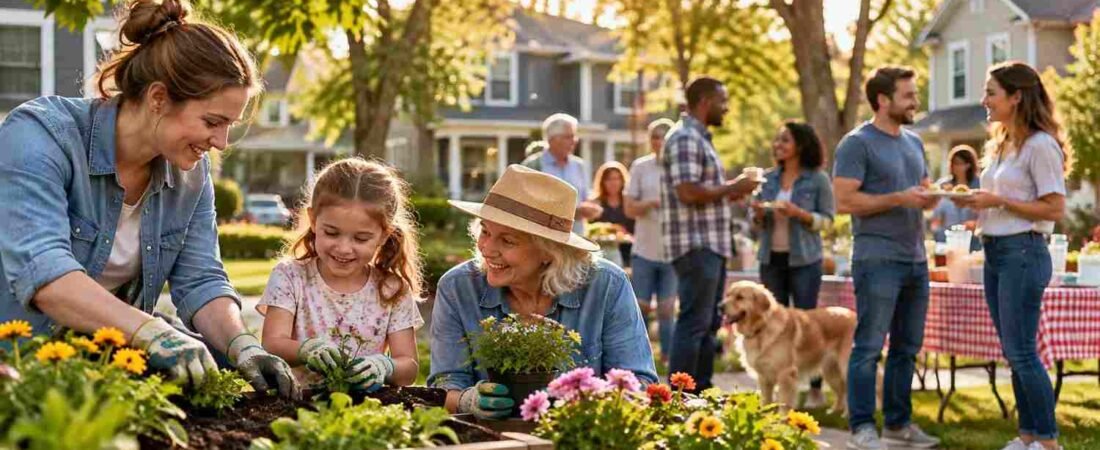
I used to think community meant having a large circle of friends nearby. I noticed something simpler: I felt more connected when I knew the names of people I passed regularly, recognized local shop owners, and had a few familiar faces to greet during an ordinary week. Those moments made my neighborhood feel like home.
A community rarely appears because someone announces a big event. It grows through repeated choices. A conversation, an hour helping at a park, or showing up at a gathering can create meaningful connections. Strengthening a local community does not require unlimited time, money, or organizational skills.
Start With the People You Already See
The easiest place to begin is often outside your door. Say hello to neighbors, learn their names, and make brief conversation when the opportunity feels natural. You do not need instant friendship. Familiarity creates trust.
Small acts of neighborly help matter. Bringing in a package, helping with trash cans, or checking on someone after a storm can turn an anonymous neighbor into a familiar person. Practical gestures often matter more than grand gestures.
Local relationships can be especially valuable for people who spend much of their week at home. Casual interaction can also help with finding community when you work from home, particularly when most professional conversations happen through a screen. A short walk or regular visit to a gathering place can add human contact to an otherwise isolated routine.
Show Up Where Community Already Exists
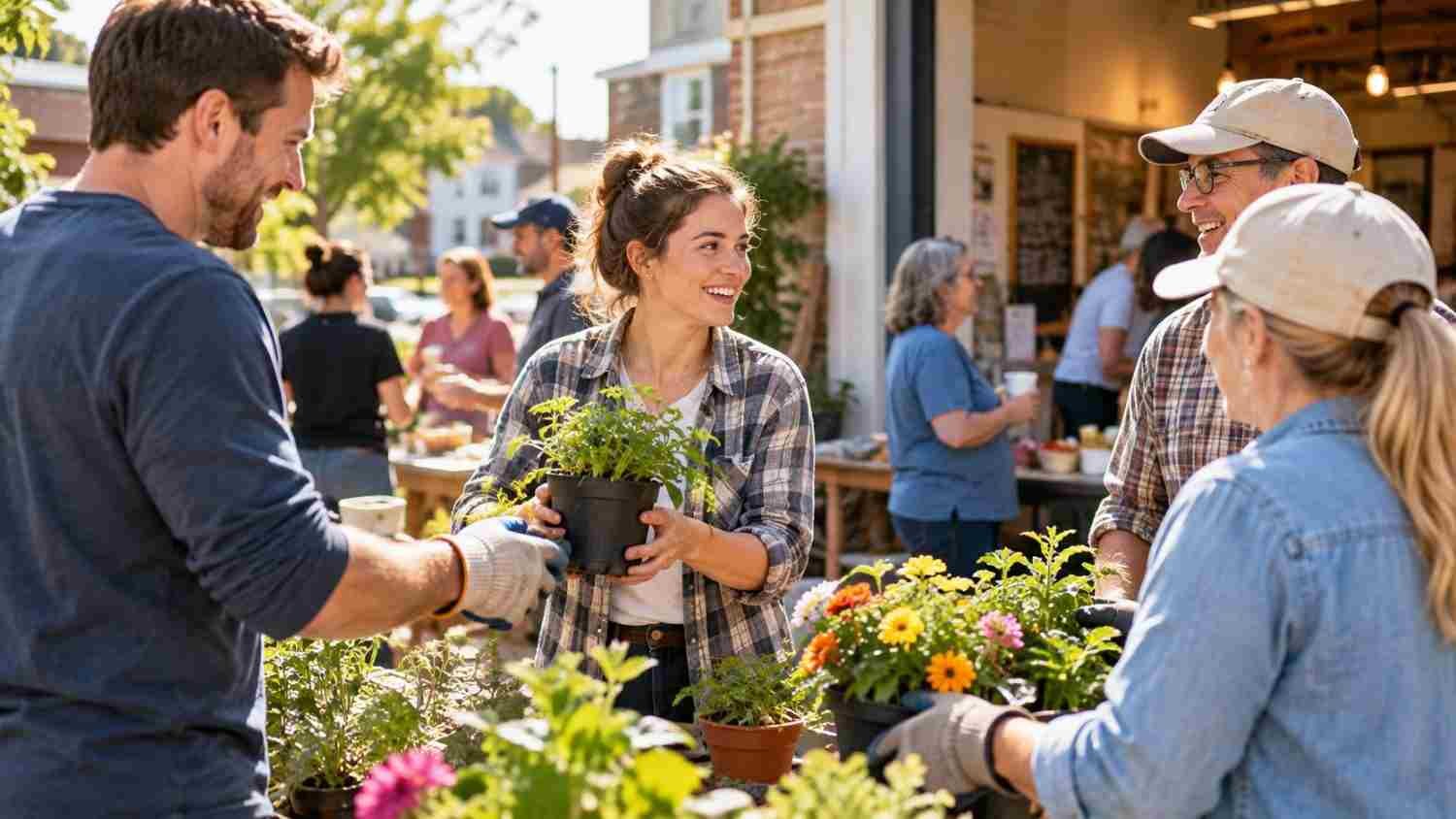
You do not always have to create something new. Libraries, parks, farmers markets, recreation centers, neighborhood associations, and local events already give people reasons to gather.
Choose something you enjoy and attend more than once. Familiarity helps relationships develop. The first visit may be brief. Later, people may recognize you.
Look for places you would naturally enjoy visiting, so involvement feels less like another obligation.
Give Your Time, Skills, or Attention
Volunteering strengthens neighborhoods by combining practical help with social connection. A local pantry, shelter, garden, youth program, or cleanup project may need only an hour.
Your skills can be useful, too. Someone who knows computers could help a neighbor with technology. A cook could organize a class. A teacher might tutor a student. A gardener could share planting advice. Skill sharing creates connection.
Consistent participation often matters more than one ambitious project. The goal is to become someone others can count on, even if the contribution seems modest.
Make Local Support Part of Everyday Life
Community grows stronger when support enters normal routines. Shopping at independent stores, visiting neighborhood restaurants, attending local markets, and recommending nearby businesses can help keep money and attention circulating locally.
These places can become social spaces. A familiar cashier may learn your name. A restaurant owner may recognize regular customers. A local coffee shop can become somewhere people naturally cross paths. Economic support and social connection can reinforce each other.
Stay within your budget. Supporting local businesses simply means noticing opportunities that fit your life.
Create Small Reasons for People to Meet
A strong community needs casual interaction. That might be a potluck, book club, walking group, game night, or coffee meetup.
Keep the event simple. Complicated gatherings can discourage participation. A simple invitation with a clear time and relaxed expectations may work better.
Shared activities make conversation easier. A neighborhood cleanup, garden project, or group walk gives people a natural starting point instead of asking strangers to make conversation from nothing.
If friendship is the deeper goal, repeated low-pressure contact can matter more than dramatic social efforts. People need time to move from recognition to comfort and trust. That gradual process matters when learning how to build deeper friendships in a busy life, because meaningful relationships need repeated opportunities to grow.
Take Part in Local Decisions
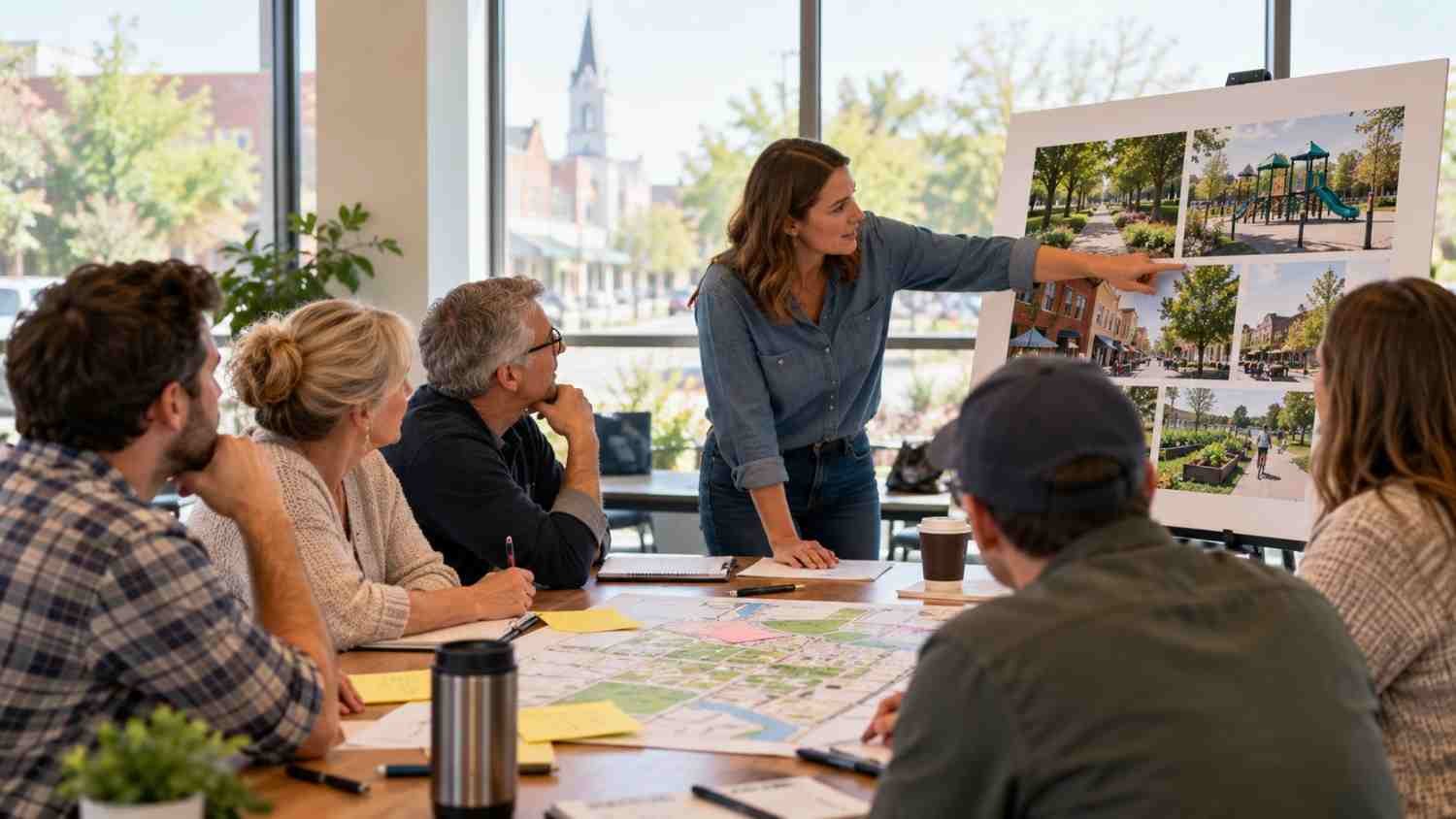
Community involvement is not limited to social events. Residents can strengthen their neighborhoods by paying attention to local decisions that affect everyday life.
Attend a town or city council meeting when an issue matters to your area. Join a neighborhood association, participate in a public meeting, or learn how local services work. You do not need to become a political organizer. Being informed and willing to listen makes civic participation more constructive.
Approach these spaces with curiosity rather than assuming agreement. Communities contain different ages, experiences, priorities, and needs. Listening can help residents find practical solutions and connect beyond their immediate circles.
Make Participation Easy to Sustain
Community involvement is not a project to complete. Relationships do not work that way. A neighborhood becomes more connected through habits people can maintain.
Choose one manageable action each week or month. It could be greeting a neighbor, volunteering for an hour, attending a local event, or inviting two people for coffee. Small commitments leave room for work, family, and rest.
Leave room for other people. Strong communities are not built by one person. Share responsibility and let others contribute in ways that suit them. Respecting boundaries matters just as much as being friendly.
FAQs: Simple Ways to Strengthen Your Local Community and Build Real Connections
1. What is the easiest way to get involved locally?
Start with something connected to your routine. Attend a neighborhood event, visit a local business regularly, or introduce yourself to a neighbor. Familiarity can make future interactions feel easier and give you more chances to notice when someone needs help. Even a short conversation can create a useful connection.
2. How can busy people contribute to their community?
Choose small commitments. An hour of volunteering, helping with a cleanup, or attending one community meeting can make a difference without overwhelming your schedule.
3. Do I need to organize events to build community?
No. Showing up consistently, participating in existing activities, and helping others are valuable forms of involvement. You can contribute without becoming the organizer. Helping with setup, bringing food, sharing information, or simply attending can be enough.
4. How do local connections become friendships?
Friendships often grow through repeated, low-pressure interactions. Seeing the same people regularly creates familiarity, shared experiences, and opportunities for deeper conversations.
Why Small Participation Can Have a Lasting Effect
A connected neighborhood is rarely the result of one spectacular effort. It is shaped by people who notice one another, participate when they can, and make room for relationships to develop naturally. A greeting can become a conversation, an invitation, and eventually a friendship or dependable support.
That is what makes community worth investing in: small actions can become part of something much larger than the moment itself. They give everyday life more familiarity, generosity, and belonging, without requiring grand gestures or perfect circumstances for anyone today.